One line to call
Every Warren bed bug call goes to one number.

Apartment bed bug treatment in Warren works better when the plan reaches past the unit that reported bites, because bed bugs move through shared walls. This referral line connects renters, owners and managers across Warren, MI with independent local providers who handle single apartments, duplexes and larger complexes. About 28.9 percent of the city's occupied homes are rented, and 14.9 percent of housing units are in buildings with two or more units.
Every Warren bed bug call goes to one number.
Providers generally inspect before discussing cost.
Calls reach independent companies working in Warren.
Look the firm up on MDARD’s business list.
Most apartment jobs move through three stages: inspection, treatment and follow-up. What a quote includes, and what is charged on top, is up to each provider, so ask before you agree to anything. Here is what apartment bed bug work in Warren commonly involves.
The reported apartment is checked first, often followed by the units on each side, above and below. Mattress seams, box springs, headboards, outlet covers and baseboards all get attention. Ask which units the plan includes.
Which method fits depends on what the inspection finds. Heat can kill every life stage in a single session, while residual products keep acting for a while afterward. Plenty of apartment plans use both, room by room.
Many providers suggest an encasement on every treated bed. It locks any remaining bugs inside and gives newcomers a smooth surface with few hiding places. Ask whether the covers are part of the quote or bought separately.
Interceptor cups under the beds and monitors along baseboards trap bugs that survive, giving residents and managers a steady read on progress. Ask who checks them, how often, and what happens if they catch something.
Each apartment in the plan should have its own inspection report and treatment record. Dated paperwork keeps renters and managers on the same page. Repeat-work terms come from the provider; get them in writing up front.
Say what you have spotted and a nearby provider will tell you what comes next.
In Warren, apartment bed bug treatment is bed bug control adapted to shared buildings. It covers apartments, duplexes, condos and rented houses, and it reaches the mattresses, box springs, furniture and wall and outlet gaps where bugs shelter. The provider you reach through this line generally starts with the unit that reported bites and the units around it, then chooses heat, steam, residual products or a combination depending on how far the bugs have gone. Interceptors and monitors afterward show whether activity has ended. Michigan requires an MDARD license for businesses that apply pesticides for hire.
In Warren, 14.9 percent of housing units are in buildings with two or more units, and 11.3 percent in buildings with five or more. Michigan's health department notes that in multi-unit housing bed bugs can spread from one home to neighboring homes through walls, ceilings and hallways, and they also hitchhike in luggage, bags and used furniture. A familiar pattern: one resident notices bites or dark specks, and a neighbor reports the same a few weeks later. Telling the landlord or manager quickly and getting an early inspection keeps a one-unit problem from becoming a building-wide job.
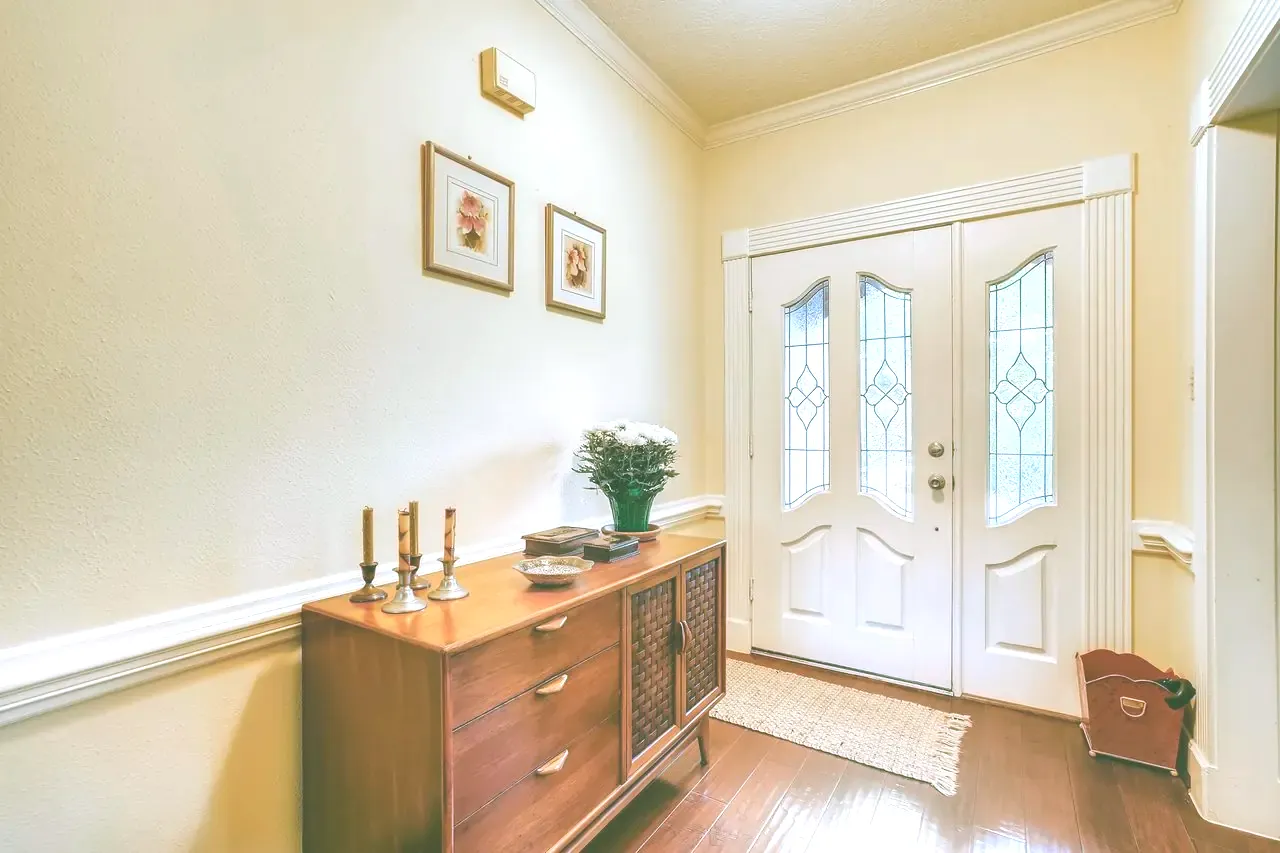
Your call is put through to an independent local provider. It helps to have the ZIP, the number of apartments involved, what residents have seen and roughly when the bites started. From those details, the provider can suggest a visit to one unit or a wider inspection, and will set a time with you.
Working from the reported apartment outward, the provider examines mattress seams, box springs, headboards, outlet covers and baseboards. Some providers use trained dogs or thermal cameras as well; ask how any alert is confirmed by eye. Dated notes and photos from residents speed things up, and the unit count sets the length.
The quote reflects how many apartments are involved and which method fits each, and it should be in writing before work starts. A heat session runs longer than a chemical visit, while chemical work needs time to dry. In a shared building, the owner or manager usually approves the plan.
Residents follow the prep sheet for clothes, bedding and belongings. The provider then treats mattresses and box springs, steams furniture and baseboards, places residual sprays and dusts and fits beds with encasements. In a heat job, rooms are brought to a temperature bed bugs cannot survive and kept there for hours.
Return visits to read the interceptors and monitors are common once treatment ends. If bugs are still turning up, ask how repeat work is handled. When a follow-up finds nothing, request a dated note that says so and keep it with the unit's records.
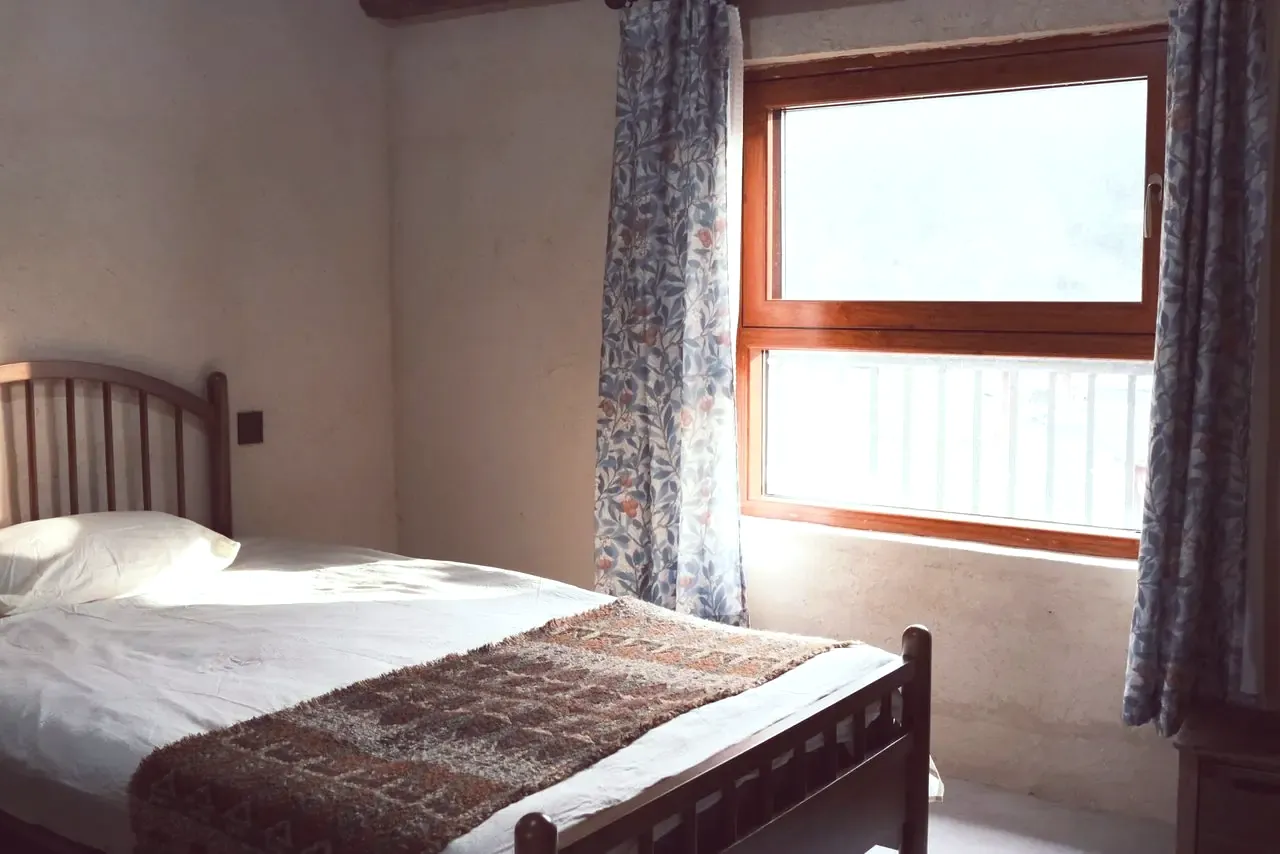
A strong flashlight and a hand lens let the provider pick out eggs, cast skins and tiny nymphs in seams, folds and corners, one apartment at a time, without moving much.
Small mirrors and thin probes reach behind headboards, under furniture and into outlet openings, so activity is confirmed by eye before a room is treated.
Heaters and fans push a room up to a temperature bed bugs cannot survive, while sensors placed in furniture and walls show when the heat has reached deep enough.
Moved slowly, steam kills bugs and eggs on contact inside mattress seams, box spring edges and furniture joints. It is often paired with residual products where sprays do poorly.
Before product goes down, a HEPA vacuum can clear live bugs, eggs and shed skins from carpet edges and cracks. The bag is sealed and carried straight out of the building.
Licensed applicators place insecticide on baseboards, cracks and furniture with a narrow tip. Michigan requires an MDARD license for this work, and residual types keep acting on treated surfaces.
Placed under bed legs and along baseboards, these trap bugs that survive and show whether the plan is working. Ask when they are read.
Every corner of the room is brought up to a temperature bed bugs cannot survive and held there for hours. Because one session can kill eggs as well as adults, heat is often suggested for heavier cases. Ask how long residents must be out.
Residual sprays and dusts go along baseboards, into cracks and into wall gaps, where they stay active after the visit and reach bugs that hatch later or crawl across. Foggers are no substitute: the state health department says bug bombs are not effective at killing bed bugs.
A HEPA vacuum first lifts out live bugs, eggs and debris without scattering them, then slow steam kills what is left in seams and furniture joints. Doing both before residual products go down means the product lands on clean surfaces and stays where it is needed.
Encasements zip around the mattress and box spring, trapping survivors and keeping new bugs out of the seams. Interceptors under the bed legs and monitors along the baseboards then give the provider, the resident and the manager the same evidence of whether the treatment did its job.

First, the renter puts the report to the landlord or manager in writing, with dated notes and photos attached. Every Warren rental needs a city rental license, and the Rental Inspections Division carries out its biennial inspection. Next, the provider looks at that apartment and the units sharing its walls, floor and ceiling. If bed bugs are confirmed, options, prep and follow-up dates are explained. Ask about timing first.
Bed bugs found between tenants can be dealt with before anyone moves in, when the rooms are empty and prep is minimal. Providers often suggest heat for a vacant apartment and a check of the units beside it in case bugs have already crossed. File the written records with the rental license paperwork before the next lease starts.
A cluster of reports points to a building-wide plan: inspect all nearby apartments, then treat the affected group at once rather than one by one. Heat and residual methods are often combined, with monitors left in each treated unit. Ask how a whole-building job is costed and for a record per apartment.
A property-wide inspection comes first, followed by a plan organized by floor and unit. The provider can explain how to work around current residents and which records to keep with the rental license file. Look the company up on MDARD's Find Businesses Licensed by MDARD page before hiring.
Warren has 137,928 residents and 57,958 housing units. About 28.9 percent of occupied homes are rented, 14.9 percent of units are in buildings with two or more units and 11.3 percent in buildings with five or more. The median home was built in 1965, and 83.4 percent of units date from before 1980. Michigan's health department notes that in multi-unit housing bed bugs can spread from one home to neighboring homes, and that they hitchhike in luggage and used furniture, so providers usually check neighboring units first. Renting a dwelling in Warren requires a rental license from the Rental Inspections Division, and licensed rentals get a biennial inspection under the International Property Maintenance Code, which the city adopted in code section 28-1 (the 2018 edition, as amended in section 28-2). Michigan law, MCL 554.139, says a residential landlord covenants that the premises are fit for the use intended and kept in reasonable repair. For pest duties, check the city code itself. This site does not give legal advice.
The Warren Village Historic District is in ZIP 48092, around Chicago Rd and Mound Rd. If you rent there, mention any shared walls when you call.
Balmoral Park is a recorded subdivision in northeast Warren, ZIP 48088. Renting a house here? Bedrooms and any used furniture are the usual starting point.
Piper Van Dyke and Belanger's Gardens are recorded subdivisions in ZIP 48089. Renters there can call the same line; mention the building type and unit count.
Fitzgerald Heights and Beierman Farms are recorded subdivisions in 48091. Calls from these streets are handled the same way; say whether you rent a house or a unit.
Bugs can cross into the apartment next door through the wall itself. Adjoining units are commonly checked, and gaps are treated to cut those routes.
Michigan's health department calls bed bugs hitchhikers. They ride in luggage, bags and used furniture, so inspect vacant units before the next lease starts.
Living indoors beside people, bed bugs do not slow down for winter or summer. Waiting for a better season only lets them spread to more units.
Shared spaces can bring bed bugs into units that never had them. Make sure a building-wide plan includes inspecting and treating these areas too.
Bites are reported in three apartments, and one has already been sprayed twice with store products. Weeks later, a fourth household reports bites as well.
The provider checks every nearby apartment, treats those with confirmed bugs and sets follow-up dates. Foggers are skipped; the state health department says they do not work.
Later on: Interceptors under every bed and monitors in the laundry room give early warning. The owner keeps dated records and calls the provider at the first new sign.
Bed bugs show up in a secondhand mattress and box spring on one side of a duplex. The neighbors have no bites so far, but the halves share a wall and pipes.
Both sides are usually inspected, and both may be treated depending on the findings. Each household preps by the sheet, and follow-up checks confirm whether activity is over.
Later on: Both households keep encasements on their beds and interceptors under the legs. Residents agree to look over any used furniture outside before it comes in.
The same cluster of apartments keeps reporting bed bugs. Earlier treatments went one unit at a time, and fresh complaints arrive every few weeks.
A wider inspection can turn up bugs in units nobody reported. Treating the whole cluster in one round, with monitors in each apartment, lets the provider compare results visit by visit before treating the section as clear.
Later on: Interceptors are read on a fixed schedule, and periodic inspections are booked. Each vacant unit gets a short check before new residents arrive.
In shared buildings, bed bugs seldom stay in the unit where they started, moving along wall gaps, through laundry rooms and on shared furniture. These are common problems and typical responses.
One apartment left untreated can keep feeding bugs into the units around it, which drives up costs and tension between renters and owners. A common approach is to inspect and treat adjoining apartments in the first round and dust the wall gaps and outlet boxes between them, cutting off the movement instead of chasing it door to door.
A store spray reaches the bugs in plain view and misses eggs and the adults tucked into cracks, so bites come back within weeks. The state health department adds that bug bombs are not effective at killing bed bugs. Providers usually reach every life stage with heat or steam, back it with residual products and return to check. Mention what was sprayed before.
One unprepared or locked apartment can keep reinfesting the units around it. Providers usually supply prep sheets, and managers schedule entry; both owners and renters should keep dated, written records of each notice and each access attempt. Warren's property maintenance code sets out pest duties, so check the city code or ask the Rental Inspections Division. This site offers no legal advice.
A laundry room, hallway bench or lobby couch can pass bugs to apartments that were clean, and a small problem becomes a building problem. Providers often include these areas in the inspection and treat them with steam and residual products. Michigan's health department notes bed bugs can spread through hallways in shared buildings.
Each provider quotes after seeing the units
No figures appear on this site. The independent provider sets the cost for apartment bed bug treatment in Warren once the units have been seen. Three things move it most: the method, the number of apartments and how far the bugs have spread. Treating many units at once is often quoted differently from a single apartment, because the inspection and treatment happen in the same visits. Ask for the quote in writing, with the follow-up visits and repeat-work terms spelled out.
Line quotes up item by item: are adjoining units inspected, are eggs addressed, are encasements, monitors and return visits included? A low quote for one apartment can end up costing more if the bugs return.
A single apartment and a dozen are quoted differently. When several units are inspected and treated in the same round, the figure per unit may shift, so ask how the provider builds a whole-building quote.
A heat session ties up more equipment and hours per unit than chemical work, and the quote shows it, while chemical treatment typically needs return visits. Heavy cases often get both methods, so ask for each part on its own line.
Bugs confined to one bed are a smaller job than bugs in every room and most of the furniture. Severe cases may need an extra round, raising the total.
Shared walls, chases and plumbing openings add work, because those gaps often need treating as well. Apartment size and clutter also change how long each visit lasts.
Find out whether return checks are in the quote and how many are planned. The provider, not this site, sets repeat-work terms; have them written down.
In Michigan, businesses that apply pesticides for hire need an MDARD Pesticide Application Business License, and each employee who applies product must be a certified applicator or registered technician. Look a company up on MDARD's Find Businesses Licensed by MDARD page. For rentals, MCL 554.139 says a residential landlord covenants that the premises and common areas are fit for the use intended and kept in reasonable repair. Renting a dwelling in Warren requires a rental license from the Rental Inspections Division, with a biennial inspection under the International Property Maintenance Code adopted in city code section 28-1. This site draws no legal conclusions.

An owner of a few rental houses gets bed bug complaints from two separate tenants within a month. The usual path is an inspection of each affected house, treatment where activity is confirmed and dated return checks. A written report for each house and a file of every tenant notice keep the record straight. Access and prep affect results.
Parents renting a two-bedroom condo find bugs along a mattress seam and wonder whether the family next door has them too. They notify the landlord in writing, save dated photos and follow the prep sheet once it arrives. Whether neighbors are inspected is the provider's call, and the method decides when they can go back in.
A renter wakes with fresh bites on both arms and finds dark spots along the mattress seam. A dated note to the landlord, with photos, comes first. An inspection of the bedroom and the rooms around it shows how far things have spread, and the renter can ask when return visits are scheduled and what records the tenant will see.
This site cannot answer legal questions. MCL 554.139 says a residential landlord covenants that the premises are fit for the use intended and kept in reasonable repair. Renting in Warren requires a city rental license, with a biennial inspection under the International Property Maintenance Code; Warren's property maintenance code sets out pest duties, so check the city code. Report problems in writing.
A provider usually inspects the reported apartment and the ones around it, then treats with heat, steam, residual sprays and dusts as needed, since combining methods tends to work better than relying on one. Encasements, interceptors and follow-up visits usually come next. Michigan's health department notes bed bugs can spread between neighboring homes in multi-unit housing.
It can be, but only after the apartments sharing its walls, floor and ceiling have been checked. Leaving neighbors out is one of the main reasons bed bugs come back. When the inspection finds bugs only in the reported unit, treating that apartment alone may do. When adjoining units show signs, expect the provider to recommend including them.
It turns on the method and how many units are involved. A chemical visit is shorter but needs drying time afterward; a heat session lasts longer because each room is held at temperature for hours. A building-wide job can run over several days, with return visits weeks later. Ask how long residents should plan to be out.
Have a question that is not covered? A provider reached through this line can explain urgency, timing and prep.
Put it to a provider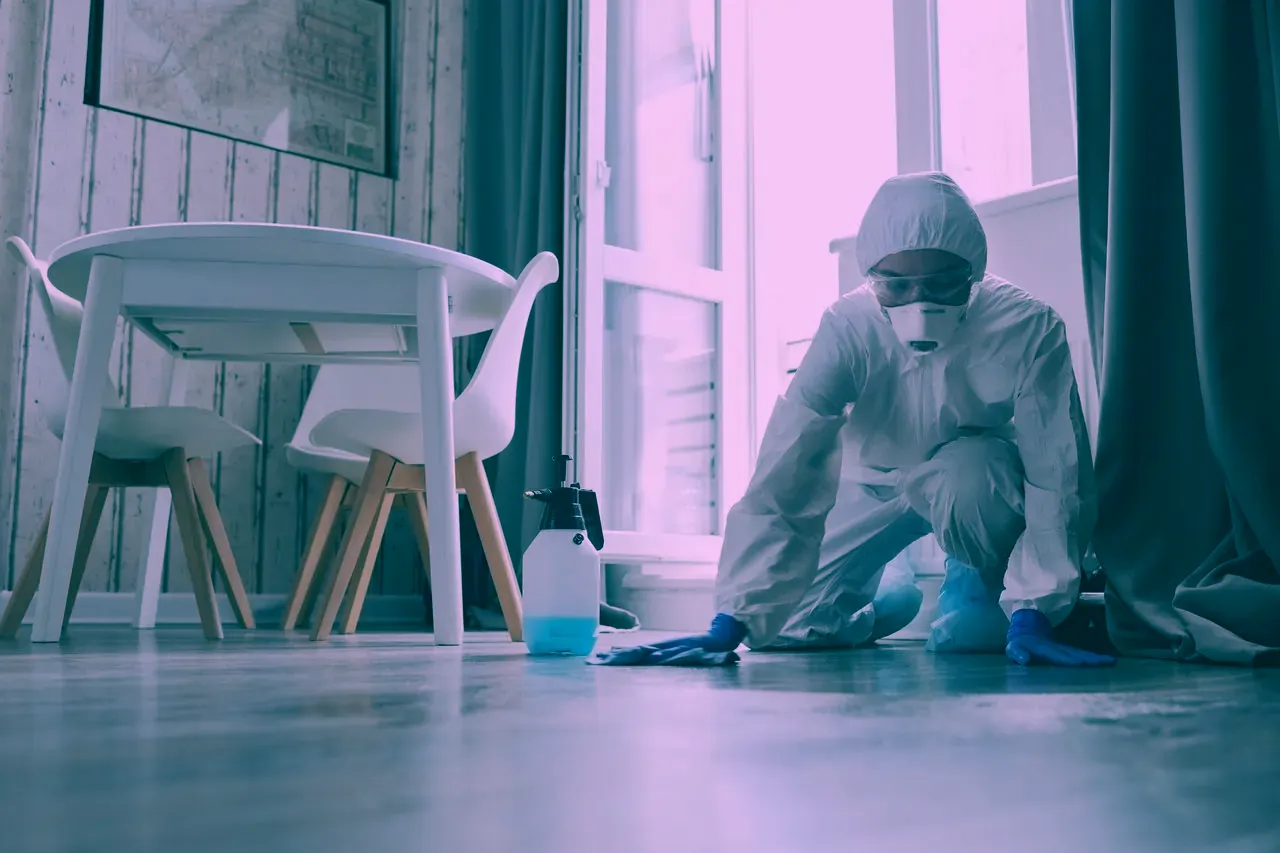
Every apartment plan starts with finding the bugs. Mattress seams, box springs, outlet covers and baseboards are checked in each unit involved, and the findings go into a written report that marks where bed bugs turned up and where they did not.
View service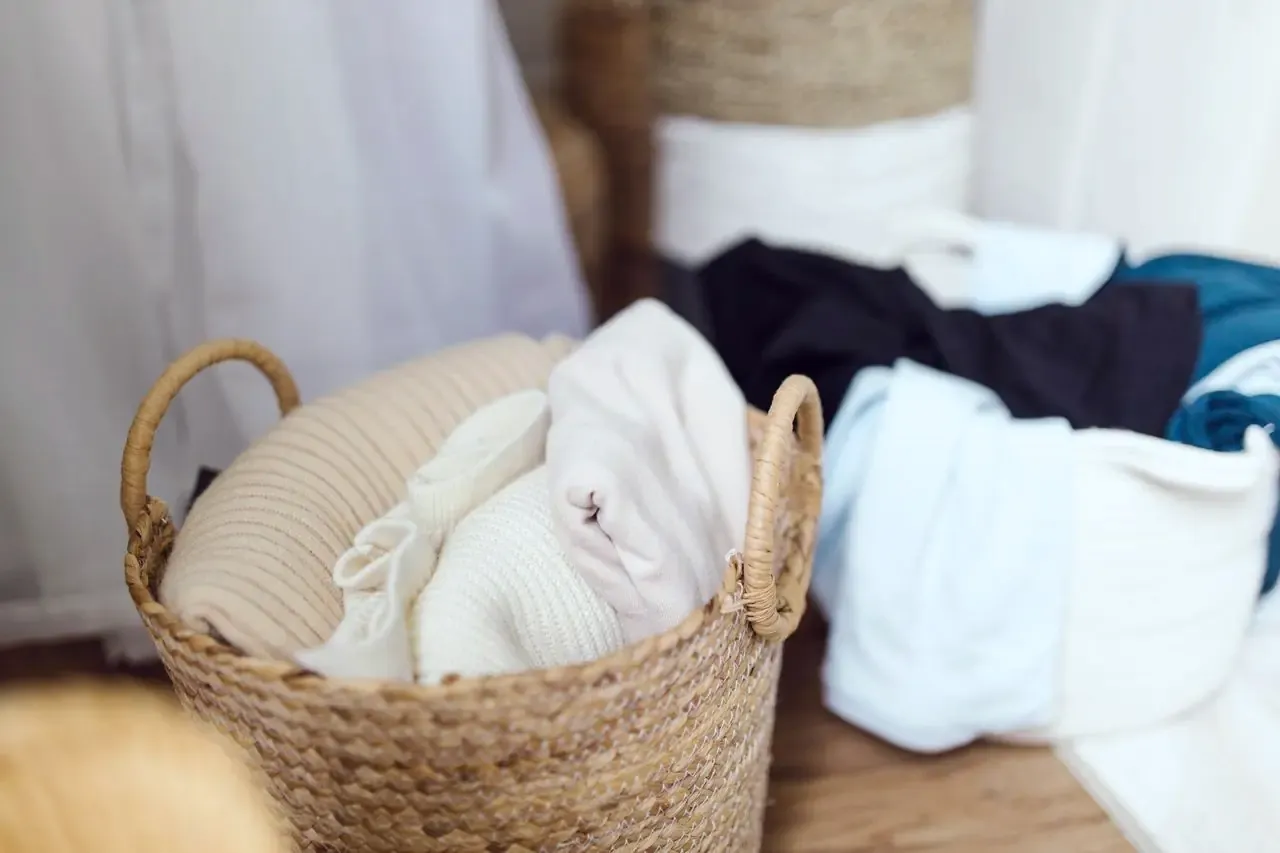
An apartment heated past what bed bugs can tolerate loses adults and eggs in the same session, which makes heat useful when an infestation is heavy. Before booking, ask the provider how long residents need to be out, what to remove and how to get the unit ready.
View service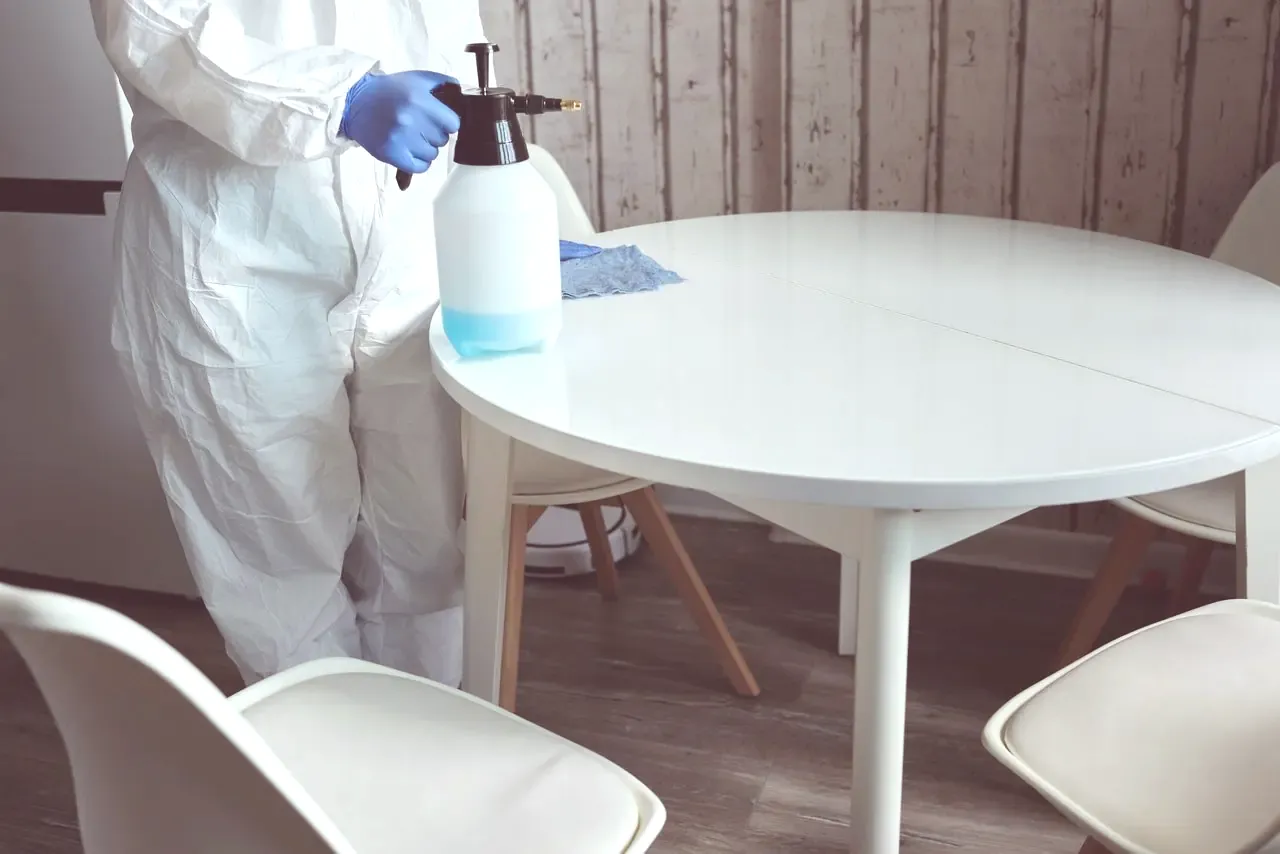
For chemical work, a licensed applicator treats baseboards, cracks and furniture, leaving residual product that keeps acting for a while. Light and moderate cases often get chemical work alone, heavier ones a mix with heat. In Michigan, pesticide businesses that work for hire need an MDARD license.
View serviceAfter treatment, providers often come back to read interceptors and monitors. If bugs are still active, ask how repeat work is handled. The follow-up is how you find out whether the problem has ended or only slowed down.
View serviceOnce you dial, a call-tracking service routes the call, which may be recorded, to an independent provider that works in Warren. Lines are open 7 a.m. to 1 a.m. Eastern Time (8 a.m. to 2 a.m. during daylight saving time). Booking the inspection and naming the cost are left to that provider.